Filter results by Type, Volume, Year, Decade, or Category after the first search.
Display
Reading settings
Preview
“These are the times that try men’s souls.”
-- Thomas Paine
Quick profiles
Type
Line spacing
Word spacing
Theme
Language
Translation is provided by Google. The original 19th-century English remains the canonical text; the translation is a convenience.
Article tools
Reading ruler
Ruler style
Paragraph numbers
Glossary tooltips
By default, only the first occurrence of each glossary term per page carries a tooltip. Switch to every match to underline and define every subsequent occurrence as you read.
Auto-scroll
−+
His Circle
The People Around Him
Paine moved at the centre of Gilded Age intellectual life. The people he knew, the people he admired, and the people who admired him.
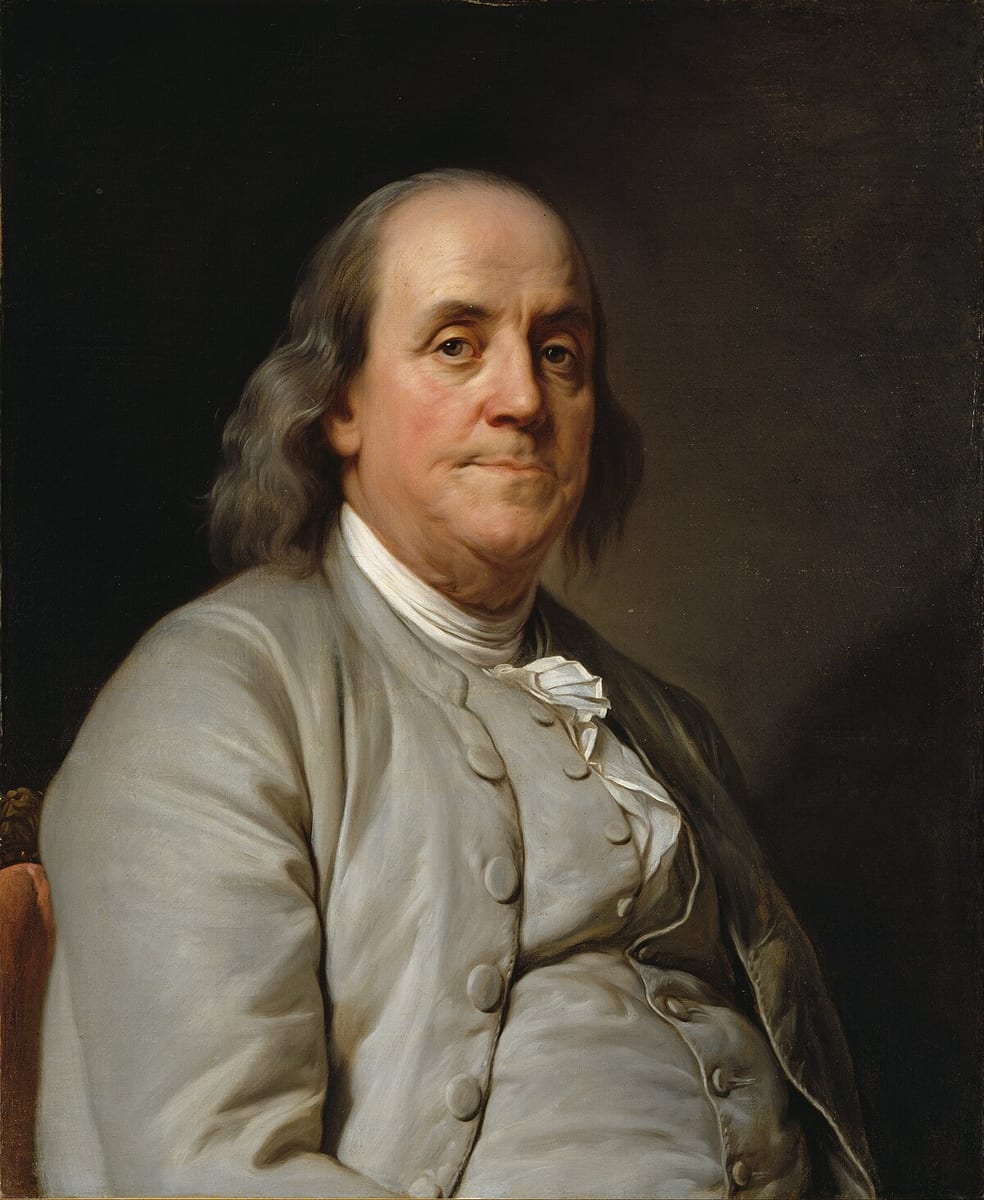
Franklin met Paine in London in 1774 and recognized in him the talent he himself had once been -- a printer's apprentice with an autodidact's appetite for natural philosophy and a journalist's...
“Where liberty is, there is my country.”
In the canon
Common Sense1776The pamphlet Franklin's letters of introduction made possible.
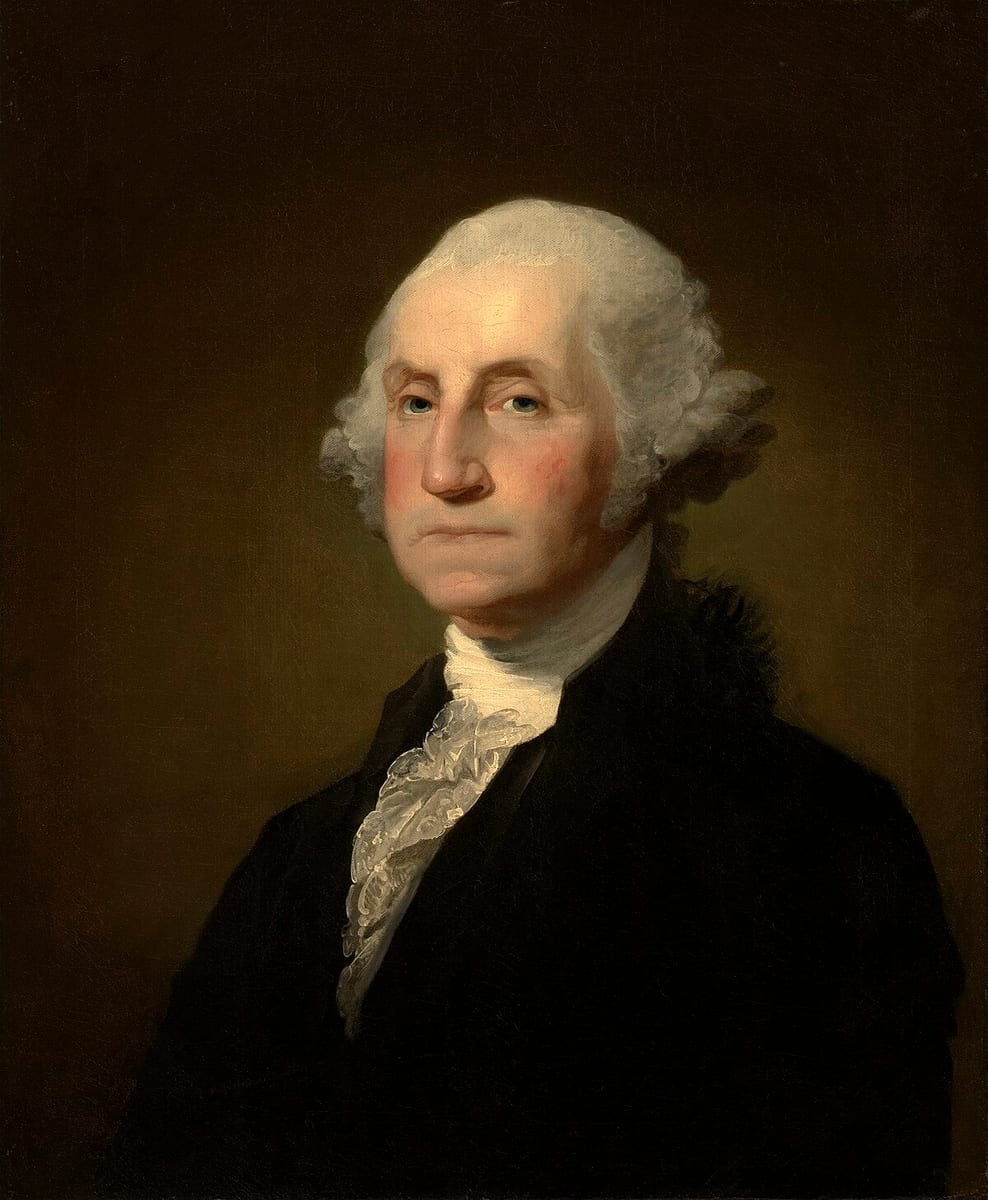
George Washington
1732-1799
Commander, Then Estranged
Washington ordered the first *American Crisis* read to the troops at Trenton on the night of December 23, 1776 -- 'These are the times that try men's souls.' For seven years that was their...
“A few more such flaming arguments will not leave numbers at a loss to decide upon the propriety of a separation.”
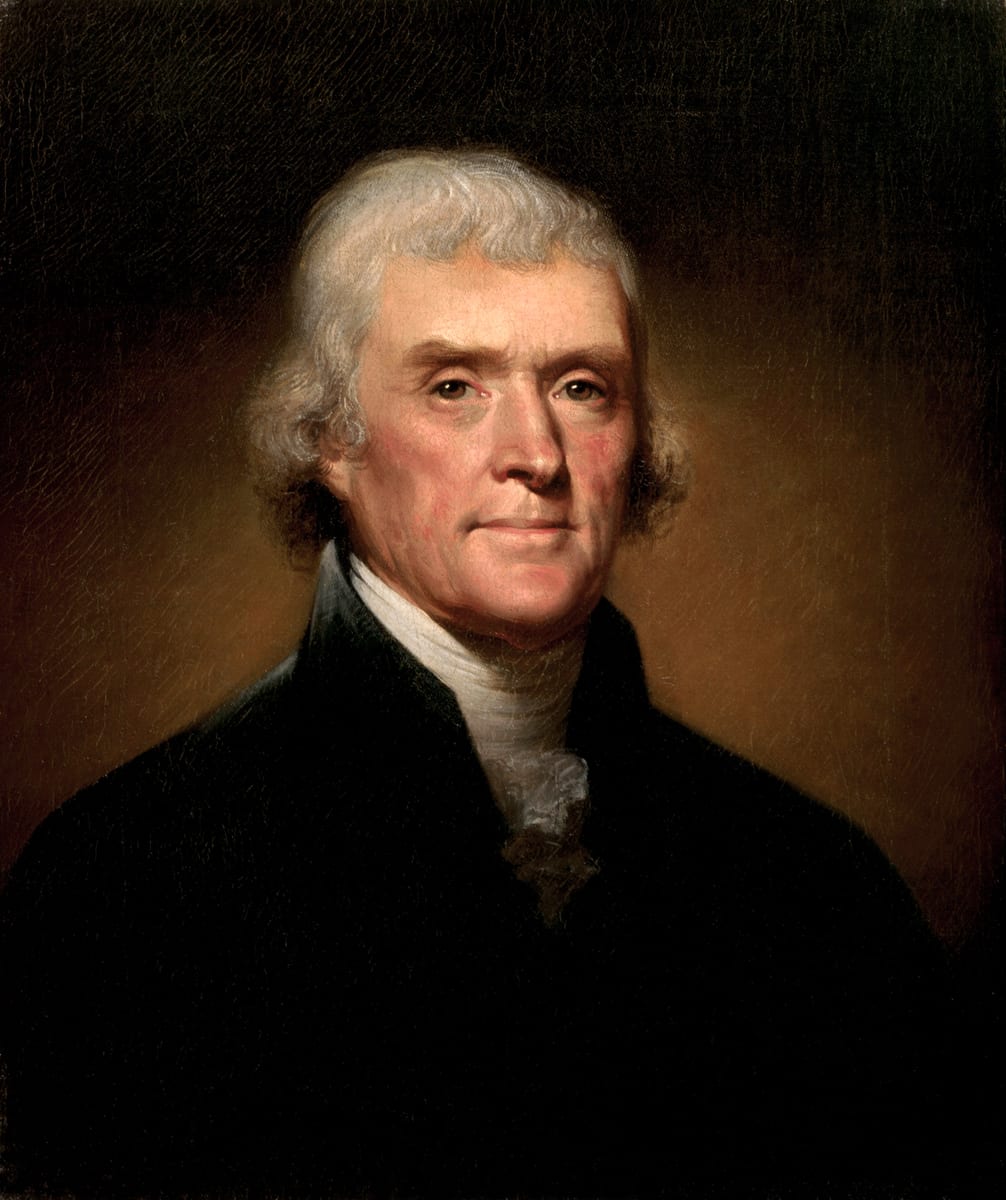
Jefferson called Paine the most useful man in the country and the man most insulted for it. They corresponded for thirty years on every subject the eighteenth century had a word for -- iron bridges...
“No writer has exceeded Paine in ease and familiarity of style; in perspicuity of expression, happiness of elucidation, and in simple and unassuming language.”
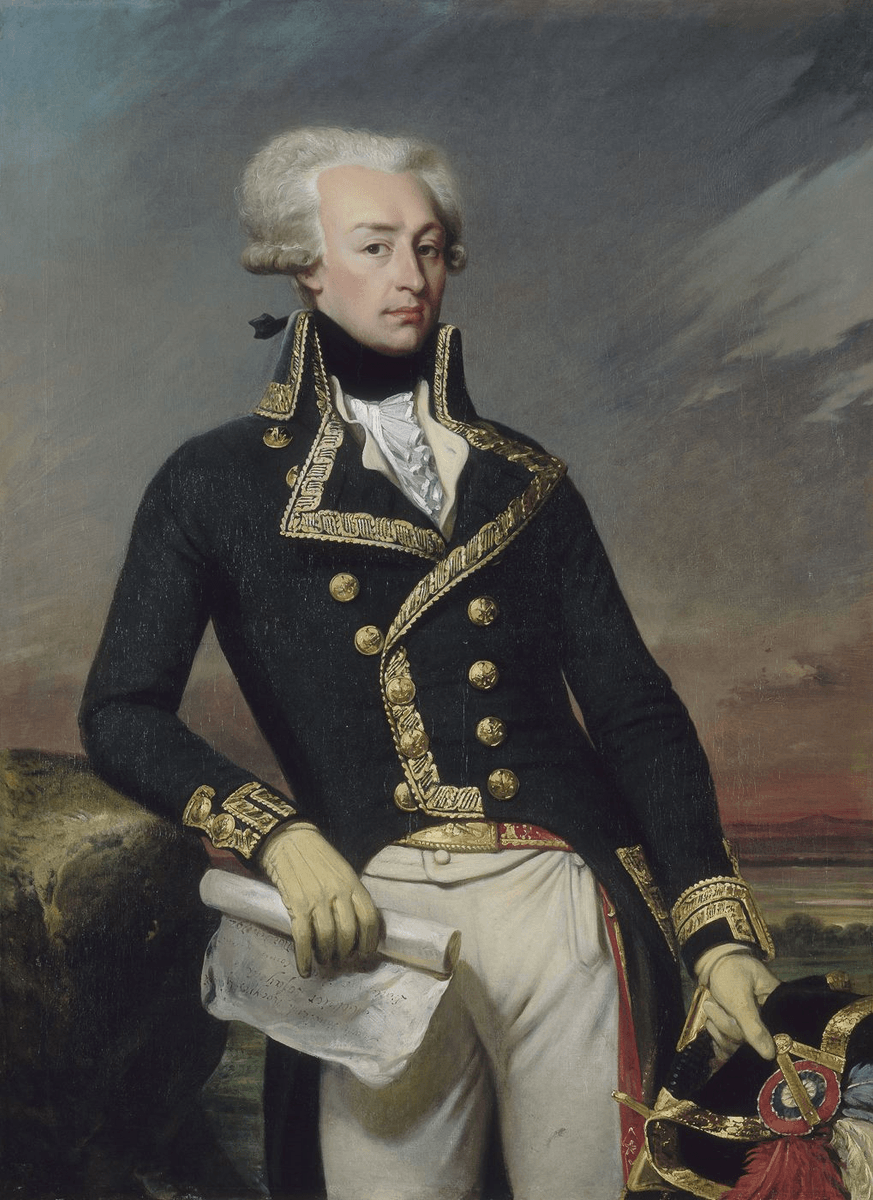
Lafayette gave Paine the key to the Bastille in 1790 with instructions to deliver it to Washington as 'a missing tribute due as a Trophy to America.' Paine sent it on. The key still hangs at Mount...
“It is to you, the founder of liberty in the two worlds, that I have the honor of presenting the Key of the Bastille.”
In the canon
Rights of Man1791Dedicated to Washington, but Lafayette is its quiet co-author -- the inside narrator of the French chapters.
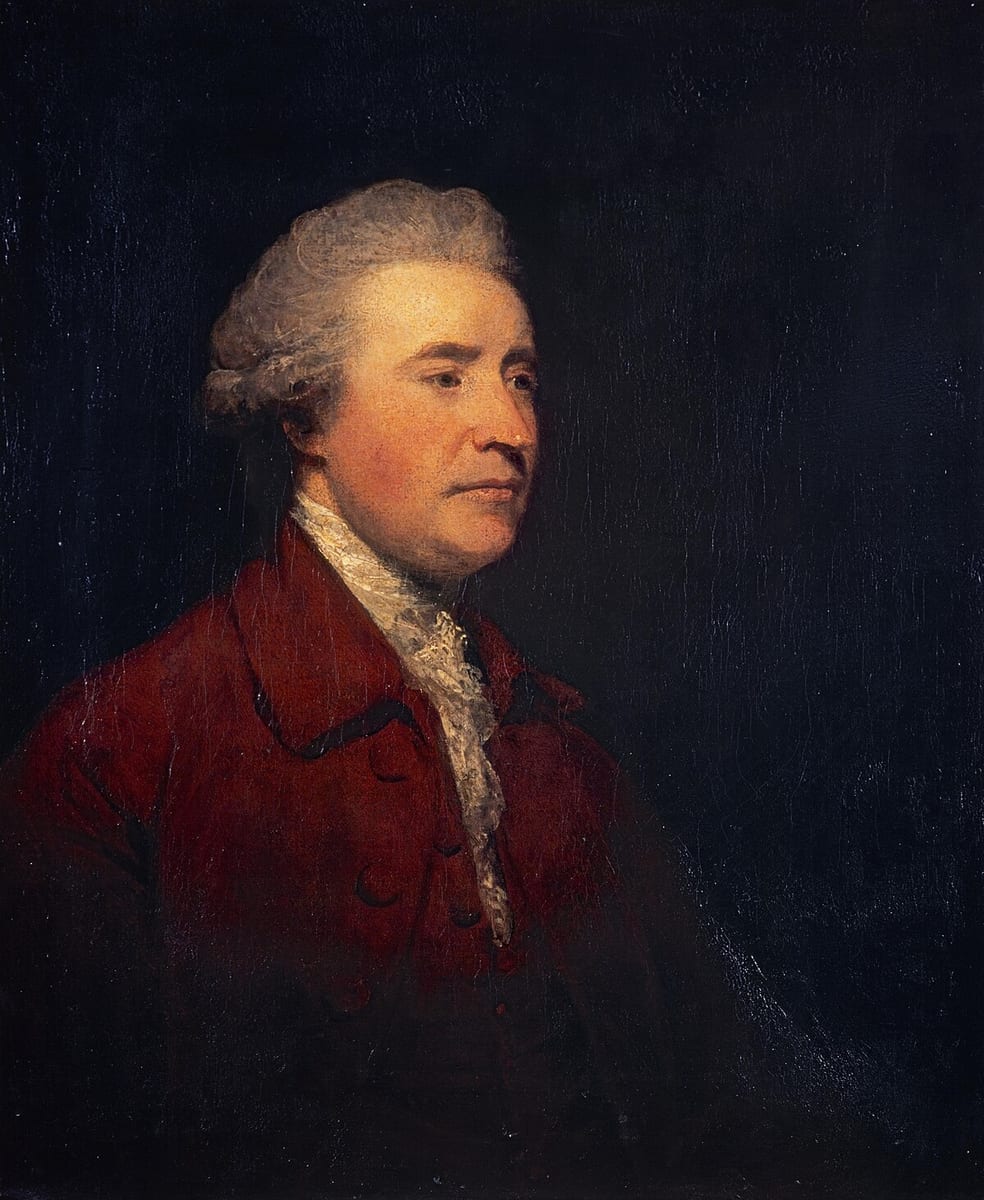
Edmund Burke
1729-1797
The Great Antagonist
Once friends, then opposites. They had dined together in London in the 1780s, agreed about America, agreed about a great deal -- and then the French Revolution divided them like a continent. Burke's...
“He pities the plumage but forgets the dying bird.”
In the canon
Rights of Man1791The reply to Burke's *Reflections* that became the founding document of modern liberalism.
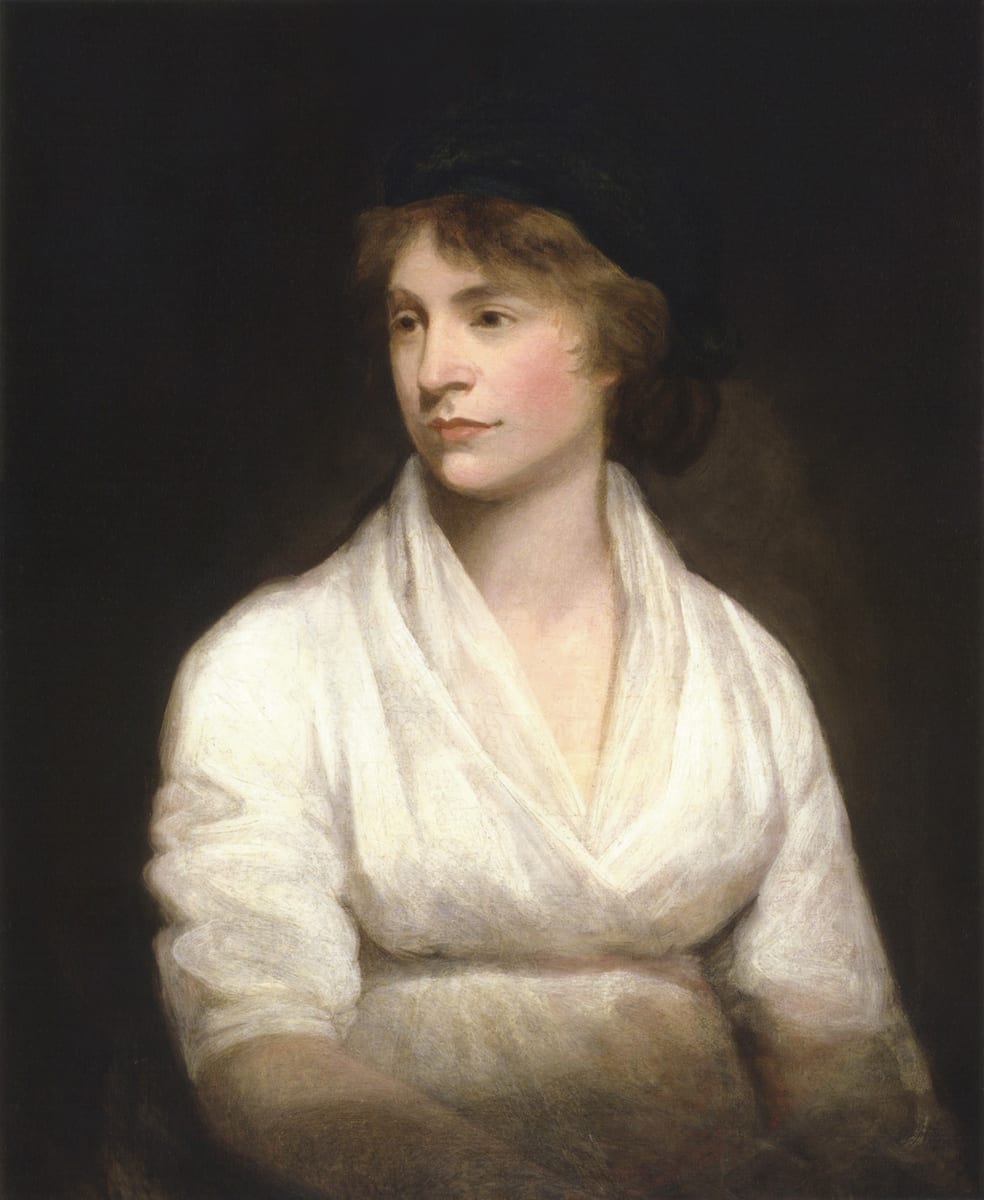
Mary Wollstonecraft
1759-1797
London & Paris Circle
They met in London at Joseph Johnson's table in the 1780s and saw each other again in Paris in 1792-93, both Englishwomen and Englishmen who had become French citizens by acclamation...
In the canon
Rights of Man1791Wollstonecraft's *Rights of Woman* explicitly extends Paine's argument; the two pamphlets read as a pair.
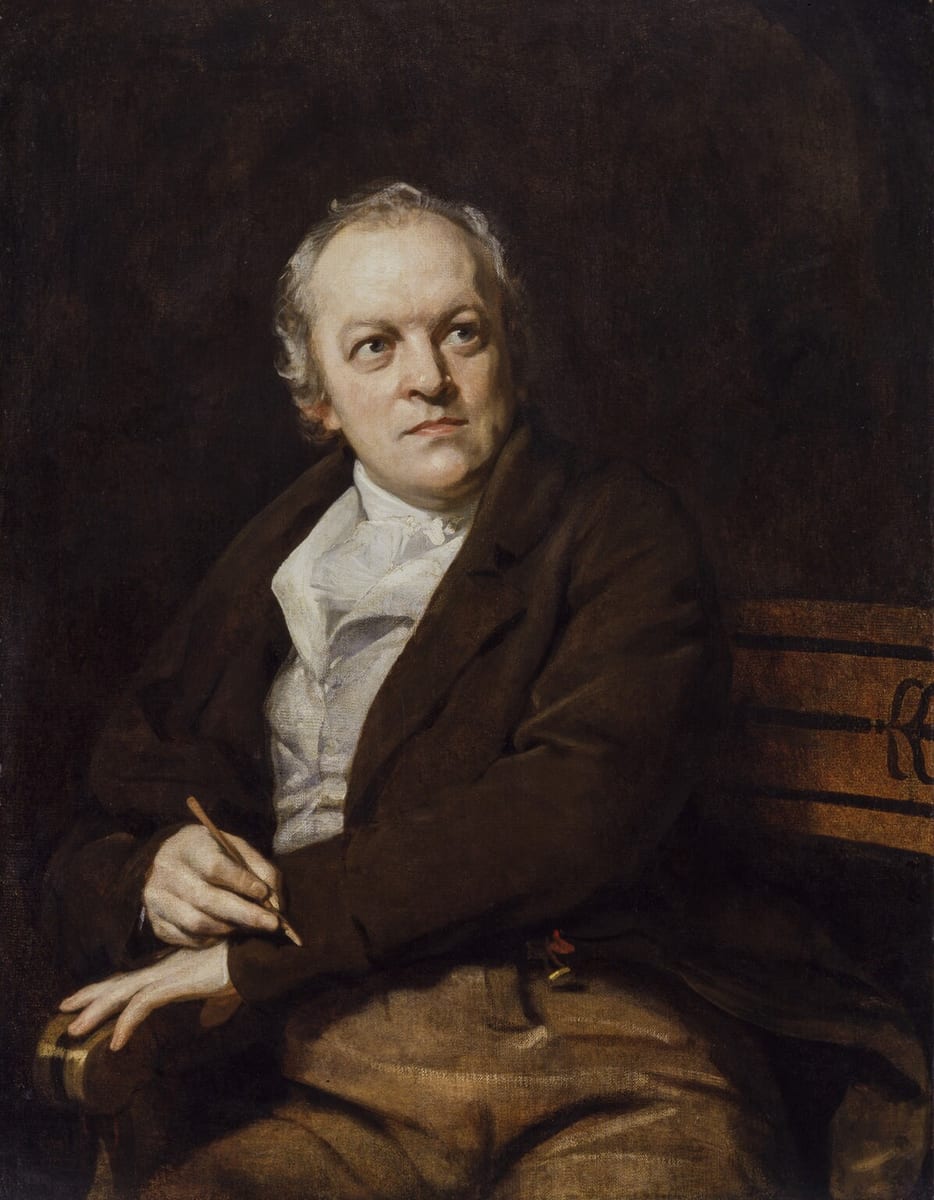
William Blake
1757-1827
Engraver & Possible Rescuer
Blake illustrated Joseph Johnson's books and stood in the same London radical circle Paine moved through in 1791-92. The famous story -- that Blake warned Paine to flee for France in September 1792...
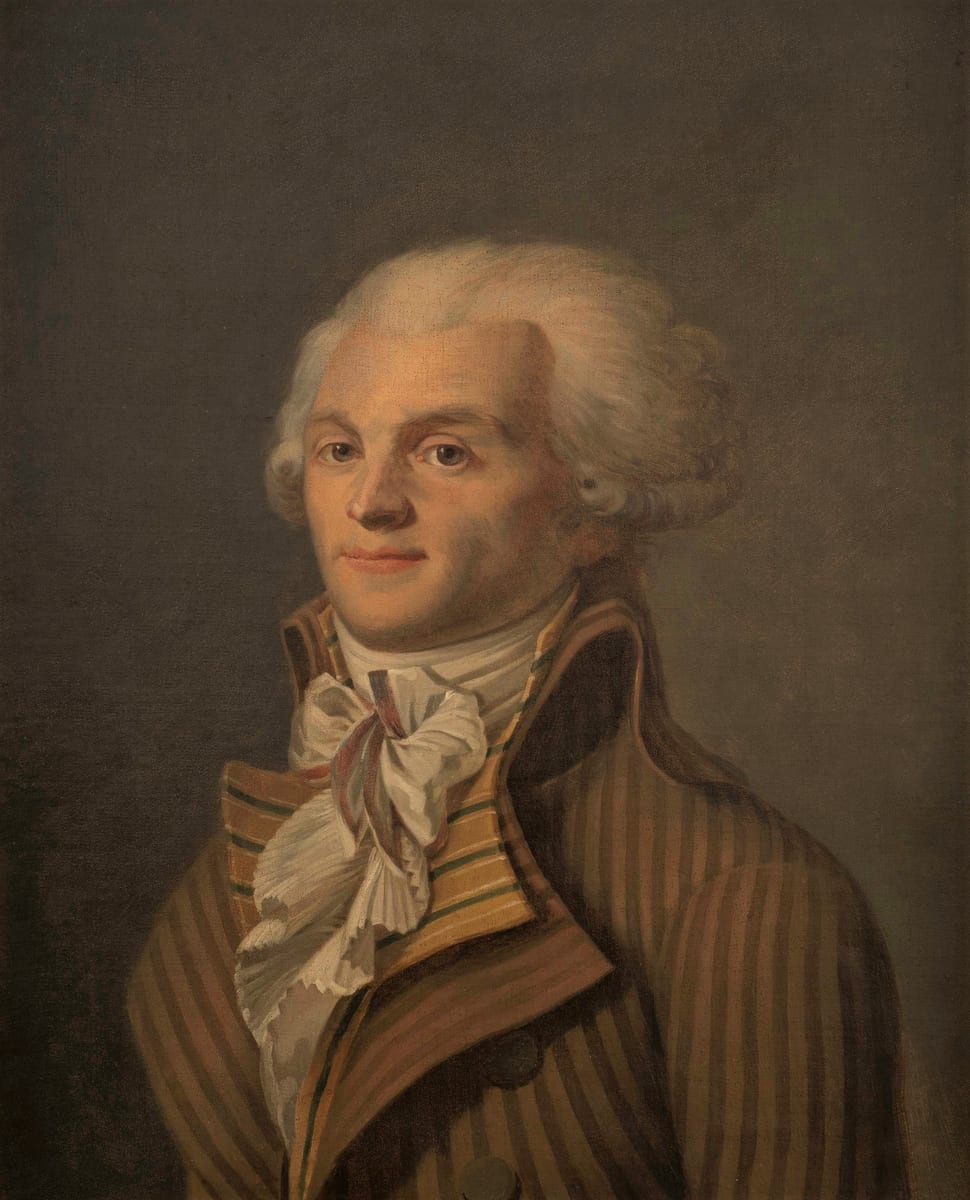
Paine and Robespierre were uneasy allies in the early Convention, then antagonists, then jailer and prisoner. Paine voted against executing Louis XVI -- arguing, in French translated by a friend, for...
In the canon
The Age of Reason1794Begun under sentence of death in the Luxembourg, finished after Robespierre's fall.
The Connecticut Wit who became a French citizen, an American consul, and Paine's closest English-speaking friend in Paris through the worst years. Barlow took the manuscript of *The Age of Reason*...
Mathematician, philosophe, last of the great encyclopedists -- and Paine's closest French ally in the Convention's constitutional commission of 1793. Together with Brissot, Petion, and Sieyes, they...
The blind ex-Baptist preacher who became the most articulate American deist of the 1790s, founder of the Deistical Society of New York, editor of *The Temple of Reason*. Palmer welcomed Paine back to...
In the canon
MB
Madame Bonneville
1767-1846
Last Caretaker
Marguerite de Bonneville and her husband Nicolas, a Paris bookseller, sheltered Paine for several years between his release from the Luxembourg and his return to America. When Nicolas was harassed by...
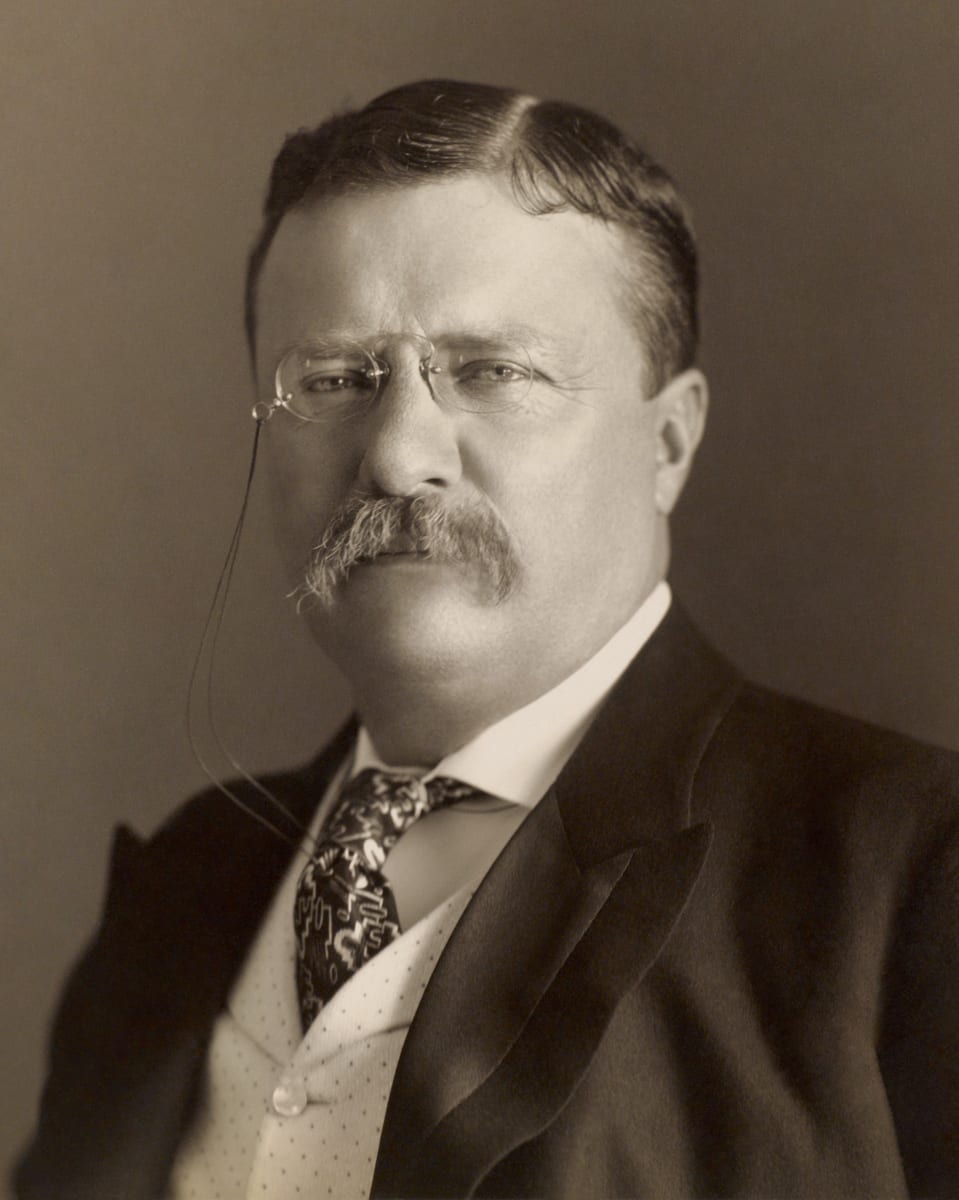
Roosevelt called Paine 'a filthy little atheist' in his 1888 biography of Gouverneur Morris, eighty years after Paine's death and on no evidence beyond his own irritation. The phrase is wrong on...